Inventory of Objects

Objects, when read through their surfaces, materials, and traces of use, can reveal the histories embedded within them. These often untold or difficult-to-perceive stories tell us where objects come from, where they have circulated, who extracted the resources that made them possible, and how people have transformed inherited or exploitative systems into objects of everyday use, survival, and agency.

To understand these objects, Việc Nam archives what has often remained outside institutional recognition, inventories ordinary objects, and documents practices through photography and video. Images allow forms, materials, and traces of use to be registered. Video captures gestures, movements, and objects in action. Together, these methods recenter the contexts and forms of knowledge through which Vietnamese everyday objects are made, used, adapted, and understood.

Explore

To Cut, to Clean, to Carry

Organized as a series, each chapter follows a single daily action—cutting, cleaning, carrying—and the objects, people, materials, and networks that sustain it.

Urbanization, environmental and technological change, global trade, rising labor costs, and shifting cultural aspirations are transforming everyday life in Việt Nam. Some professions may disappear, tools may become obsolete, and everyday practices may be replaced, adapted, or absorbed into new routines. Việc Nam documents these objects and practices while they are still in use, tracing the gestures, knowledge, and material cultures they embody.

Cutting

Completed

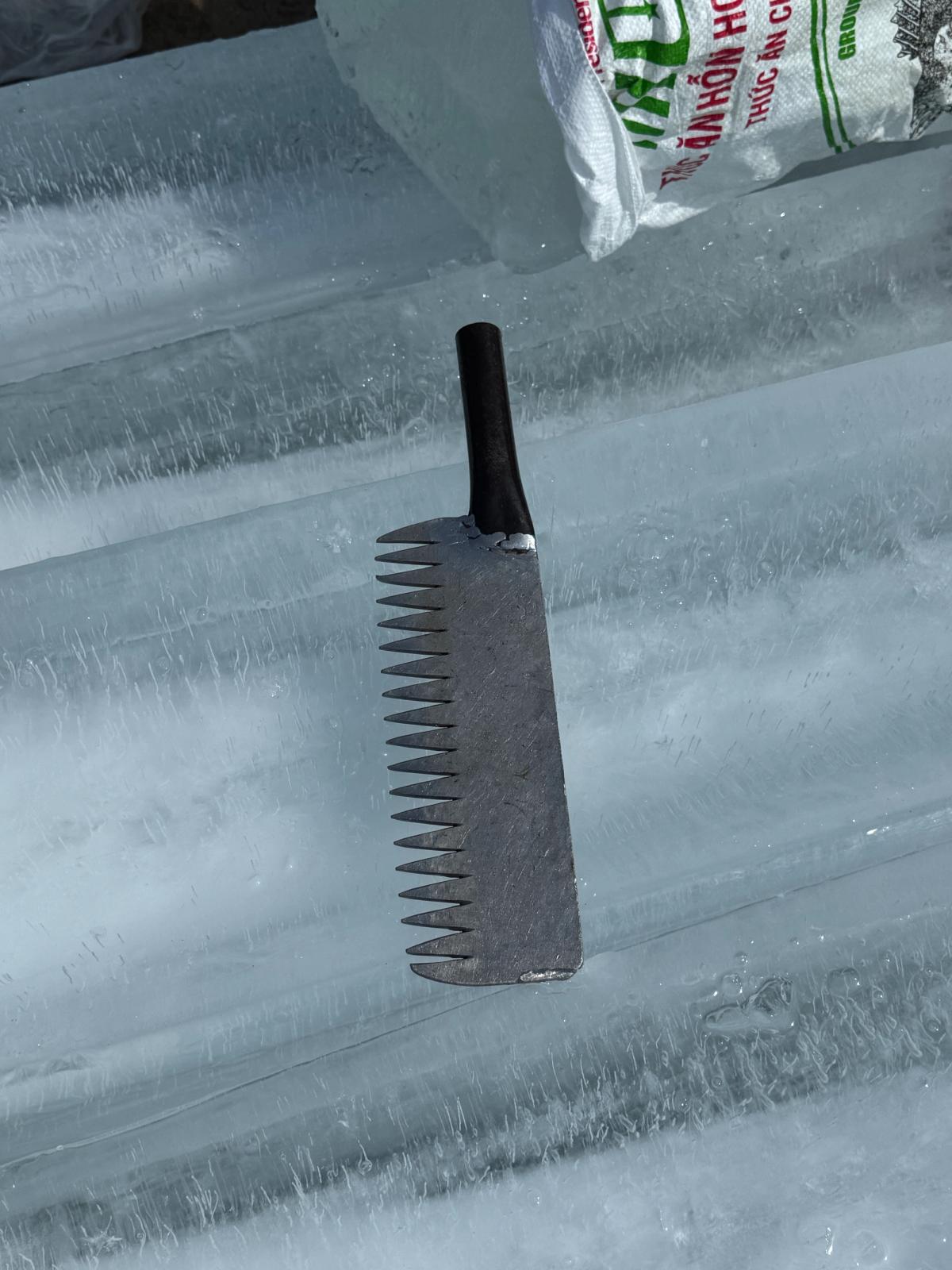
From the serrated knife to break ice, to the sharp and pointed blade for deboning poultry and the rope for separating rice cakes, cutting things in Vietnam can take many singular forms, and evoke rich stories about economies, craft, rituals, and regionalism.

Explore

Cleaning

In progress

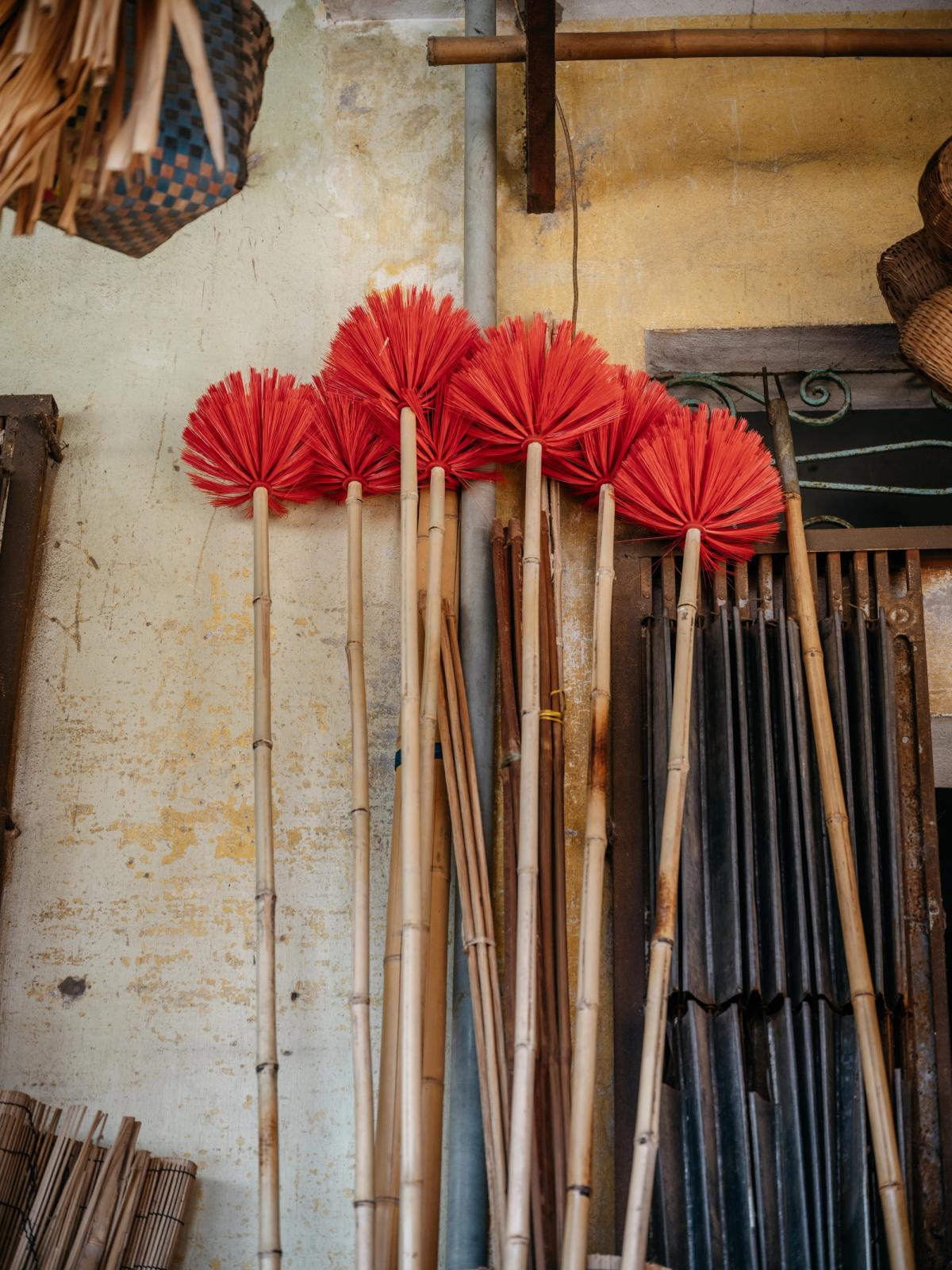
Many cleaning tools in Vietnam are made from what grows nearby — coconut husk, palm fibre, stiff grass, bamboo. Plastic brooms sit alongside woven ones in the same household, the same market stall. What gets used to clean a Vietnamese surface is shaped by the landscape, by the maker's hand, and by a supply chain that now runs both ways.

Explore

Carrying

In progress

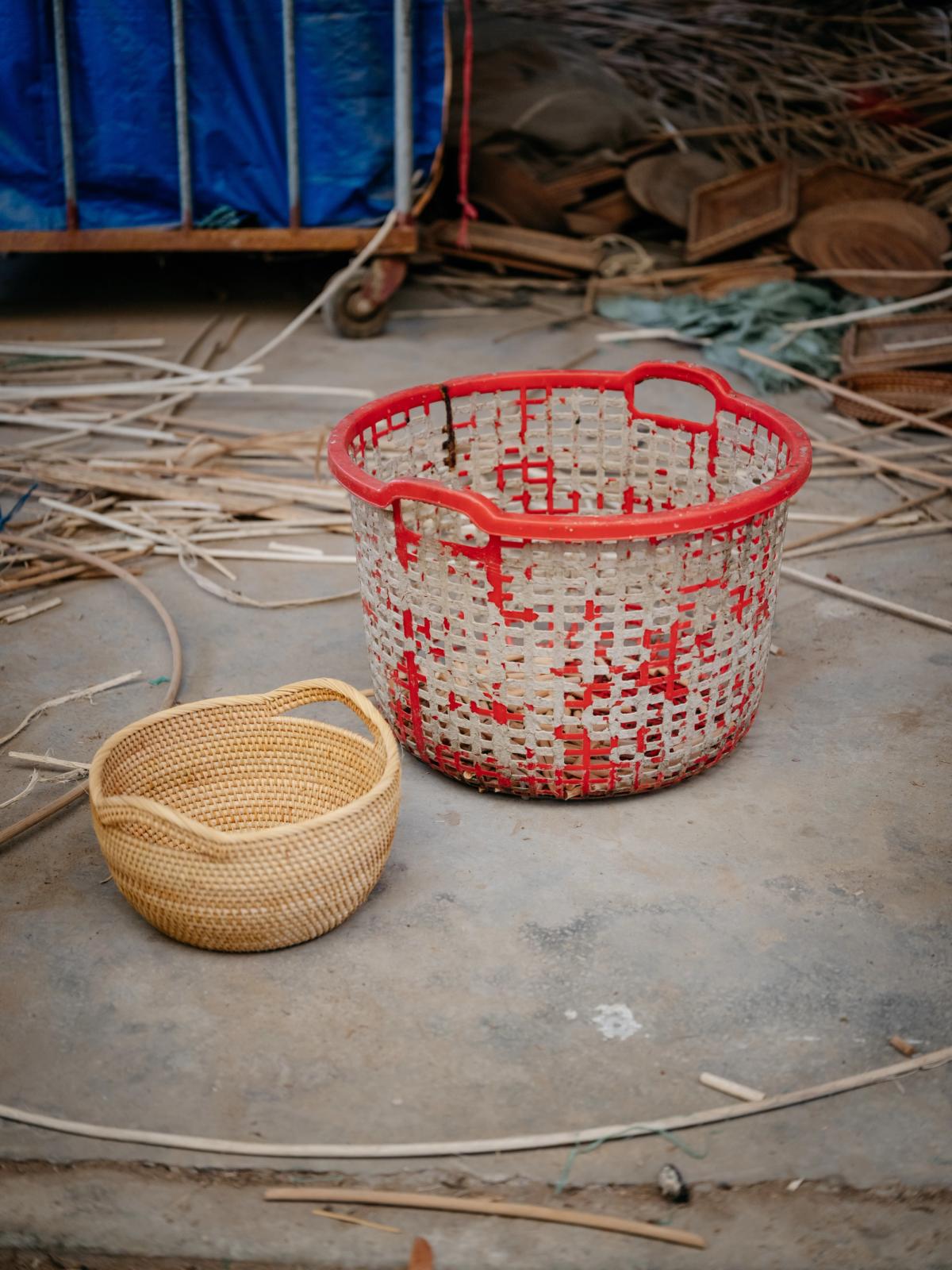
Before the motorbike there was the bicycle, before the bicycle the cart, before the cart the shoulder pole. All of them are still in use. From a single woven belt to a custom-welded rack that holds a stack of furniture twice the height of the scooter beneath it, the tools answer to the load, the road, and the body that moves them.

Explore

Learning From Hà Nội, Huế, Đà Nẵng, Đắk Lắk, Nha Trang, Bảo Lộc, Sài Gòn

People and objects move through landscapes, cities, villages, markets, streets, restaurants, and stalls. This visual map follows the regions we visited and situates the objects and practices we observed within the contexts that give them meaning. Rather than offering a total view of Vietnamese material culture, it foregrounds the plurality of places, gestures, and conditions through which the Vietnamese everyday takes shape.

Explore